At InStride IMPACT 2026, leaders across HR, L&D, and franchise operations came together from industries spanning healthcare, restaurants, financial services, and beyond to explore one central question:
How do organizations prepare for a world of constant change?
Across three days of conversations, leaders returned to the same idea. Investing in people is how organizations create opportunity for employees while preparing for AI and building the talent needed for long-term growth.
Here are four of the biggest takeaways from IMPACT 2026.
1. Education has become a business strategy
InStride Chief Operating Officer Patrick Donovan opened IMPACT by bringing focus to the people workforce development is meant to serve: adult learners. The motivated, resilient, high-potential talent already inside the walls of every organization in attendance.
The most important people in the room are the adult learners.
- Patrick Donovan
InStride Chief Operating Officer at InStride
That focus carried through the conference as organizational leaders shared stories of impact and described a shift toward designing education programs around clear workforce needs, framing education as a strategic investment in retention, talent growth, critical skills, and organizational resilience.
One healthcare system offered a clear look at what that shift requires. Following a merger, the organization was managing 22 separate education programs under three different policies, a patchwork that made it difficult to plan workforce development at scale.
Leadership rebuilt it as one platform, one policy, and one destination for employees continuing their education journey. The result was a more consistent experience for employees and a stronger foundation for workforce planning.
Education programs thrive in the space between what employees hope to become and what organizations need to make possible.
2. People determine what AI makes possible
Artificial intelligence was one of the conference's biggest themes, but not in the way many expected.
Human is still the superpower.
- Lynn Casey
CEO/Founder, Shine Scout, Inc
In her keynote, futurist Lynn Casey reinforced the power of humankind, pointing to a common gap in AI rollouts: they move straight to deployment without helping people build confidence with new tools over time.
At IMPACT, conversation explored how employees and leaders can better adapt alongside emerging technology. One answer: applied learning to help employees and leaders use AI in practical, relevant ways that meet them where they are.
People will rally when there is a problem to be solved.
- Veronica Franco
VP of Talent at Desert Financial Credit Union
Veronica Franco, Vice President of Talent at Desert Financial Credit Union, offered a different lens in the panel "From AI Curiosity to AI Capability." She views AI as change management, and takes a people-first approach: remove the fear, build awareness, and give people a real problem worth solving.
A third framework organized AI capability into three stages.
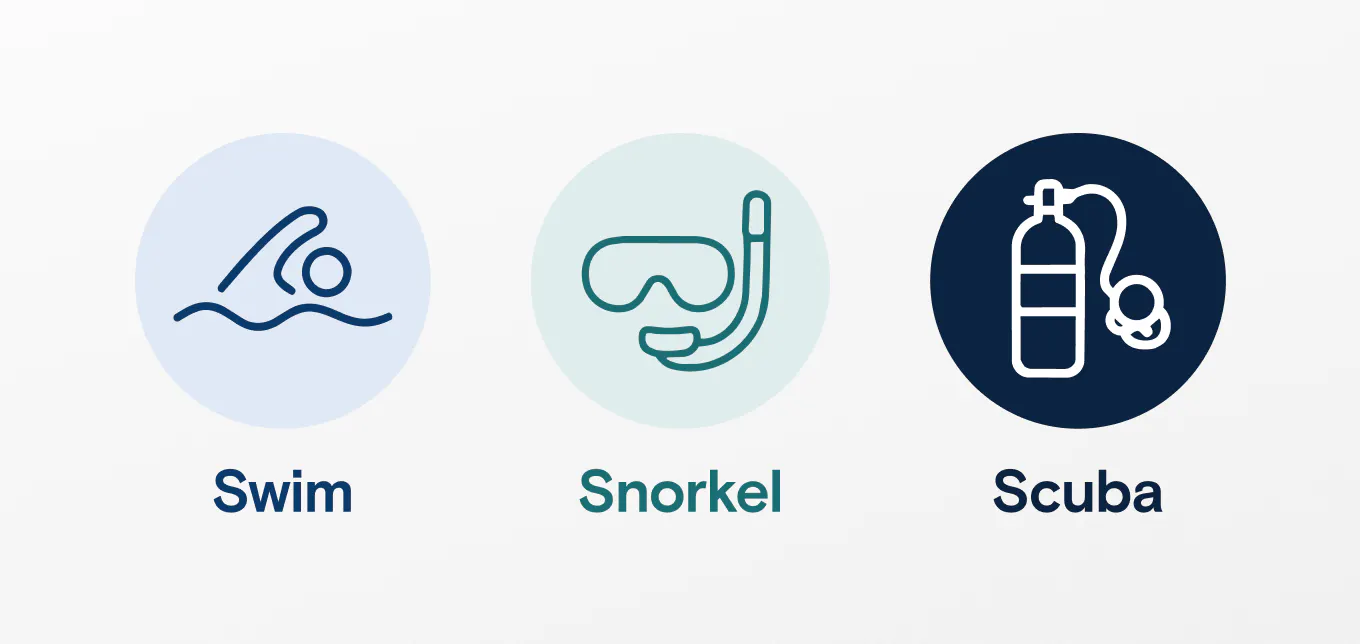
Swim is foundational literacy across the whole workforce. Snorkel is practical, role-specific skill. Scuba is the strategic fluency leaders need to integrate AI into how the business actually runs.
Skip a stage and organizations end up with expensive automation bolted onto old habits, producing little of the value people have the potential to create.
3. Education should reach employees where they are
Engagement starts where employees are.
In back-to-back fireside chats, talent leaders shared how their organizations are moving beyond one-size-fits-all awareness campaigns to help employees better understand, access, and use their education programs.
Novant Health shared that more than 70% of awareness for its education program came through intranet traffic, a channel employees use as part of their daily routine. Within the program's first year, 21% of all eligible employees are registered on the platform.
Participation also grows when education is relevant to an employee's specific goals. This means connecting it to tangible career opportunities and outcomes.
On a panel about credit for prior learning, Taco Bell explained why and how the company worked to turn learning already happening inside the workplace into formal credit employees can carry forward in their academic and career pursuits.
Both examples demonstrate that engagement grows when education is treated as a relevant next step employees can see and act on for themselves.
4. The ROI story of education matters now more than ever
Perhaps the biggest shift throughout IMPACT 2026 was the language leaders used to describe the ROI of workforce development.
The conversation has moved beyond participation alone toward outcomes like retention, growth and mobility, and workforce planning.
Organizations including Novant Health, Medtronic, and Taco Bell showed attendees what is possible when education programs are built to support business priorities and employee career pathways.
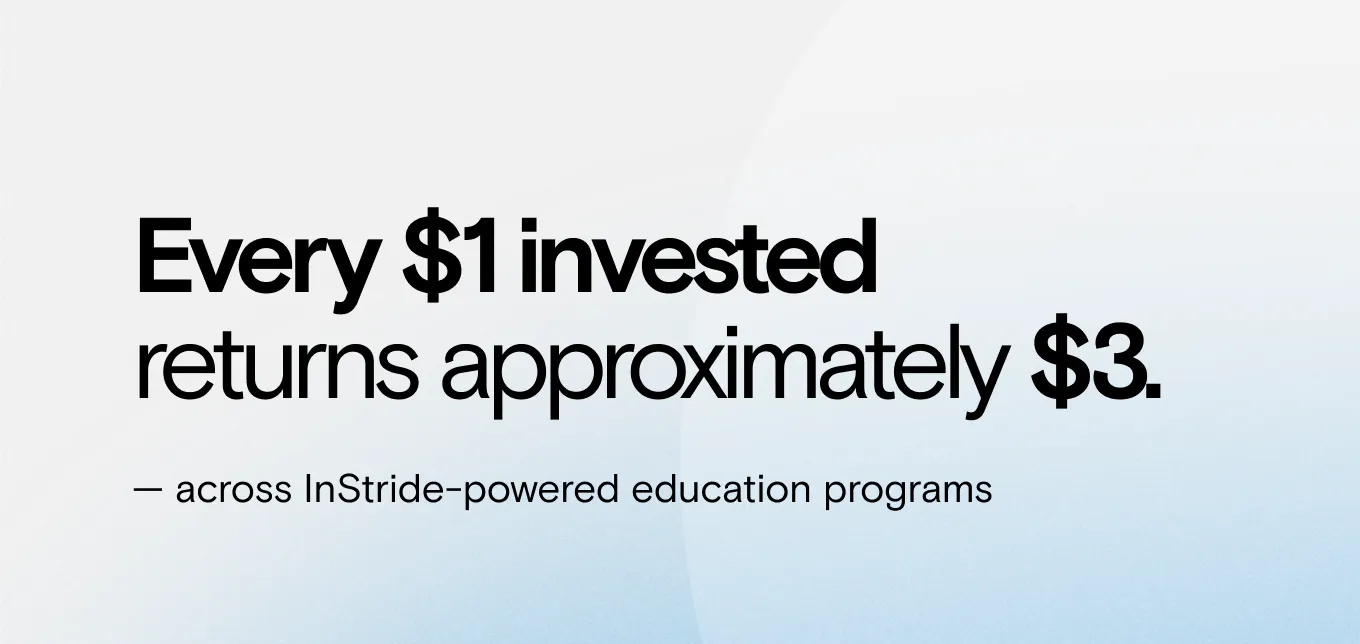
One healthcare partner highlighted their surgical technologist program as an example of what this looks like in practice. The organization designed an education initiative to address a labor shortage and reduce reliance on costly contract labor. The results: people staying and advancing into essential careers as surgical technologists, with contract-labor spend moving in the other direction.
Another organization in clinical diagnostics explained that an ROI story can't rest on a single number. The company's people analytics team looks across attrition, promotion rates, performance ratings, upward mobility, and cost avoidance to build a fuller picture. This analysis helped them achieve $10 million in cost avoidance tied directly to the program.
That’s the kind of case a CFO can trust.
The next era of talent development
IMPACT 2026 made clear that the future of talent development is both human and practical: helping people grow while solving real business challenges.
From AI and employee learner engagement to career growth and ROI, the conversations throughout the summit pointed to a broader transformation already underway.
The organizations leading that transformation are treating education as part of how they build skills, move talent, and plan for what comes next.
Ready to put these takeaways into action? Learn how other organizations are building capabilities that drive career growth and business impact.