
Workforce planning has become more complex for medical device organizations. AI adoption is accelerating, technical roles continue to evolve, and competition for specialized talent remains high. At the same time, many organizations are evaluating how hiring practices, employee development, and career mobility can work together to build stronger internal talent pipelines.
A growing number of leaders are expanding the conversation beyond recruitment alone. They're looking at how skills are developed across the organization, how employees move into emerging roles, and how workforce investments support long-term business priorities.
That shift is explored in a new case study from The Josh Bersin Company featuring Medtronic.

The case study follows Medtronic's journey as it reexamined long-standing talent practices, including degree requirements, career pathways, and education investments. By connecting hiring, workforce planning, employee development, and skills-based career progression, the organization created a more integrated approach to developing talent across the business.
By the numbers:
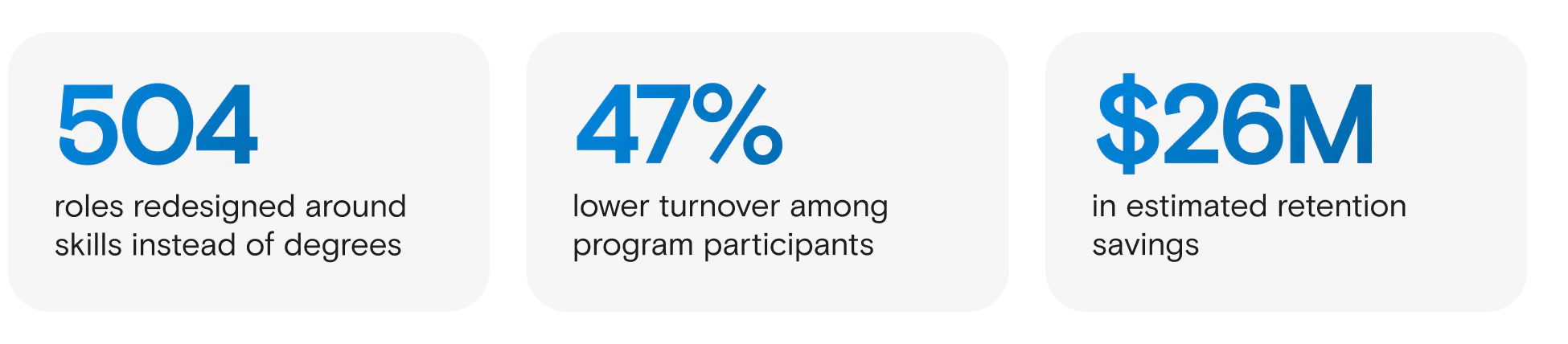
These outcomes are the result of a coordinated workforce strategy that brought talent acquisition, employee development, career pathways, and workforce planning together around business needs. As organizations adapt to new technologies and workforce expectations, many are evaluating how existing talent can be developed alongside external hiring to support future growth.
For HR, Operations, IT, and business leaders, Medtronic's experience offers a practical example of how workforce strategy can evolve alongside the business. The case study shares the challenges that prompted change, the strategic decisions made along the way, and the outcomes that followed, providing insights that other enterprise organizations can apply as they plan for the future.
Download the full Josh Bersin Company case study to explore Medtronic's complete workforce transformation journey, including the strategy, implementation, lessons learned, and business outcomes behind its skills-first approach.