Giving employees access to AI was only the first step.
Now organizations face a harder question: How do they help people feel confident using it?
At IMPACT 2026, InStride’s annual summit for HR and L&D leaders, that question came into focus across two sessions exploring what it takes to move from AI access to real capability.
The panel From AI Curiosity to AI Capability explored how leading organizations are helping their workforces build practical AI skills. Later, leaders were tested to tackle this challenge themselves during “CTRL + ALT + CREATE,” a hands-on workshop built around AI vibe coding.
Vibe coding is the practice of using plain language instead of traditional code to ask an AI tool to build and refine a working prototype. It gives people a fast way to test ideas, solve problems, and decide what is worth further investment.
Together, the sessions showed that confidence with AI grows through hands-on practice, collaboration, and human judgment.
How companies turn AI access into everyday use
During From AI Curiosity to AI Capability, panelists explored why AI is as much a people and culture challenge as it is a technology challenge.
A leading financial services organization’s AI journey began with the concerns expected of a heavily regulated organization: risk, governance, and policy. But a talent executive at the organization said the team eventually recognized a problem. “We were missing the vision.”
We were missing the vision.
- Talent Executive
Leading Financial Services Organization
That vision took shape through employee feedback. One representative said it took eight different screens just to complete a single member transaction, and to him, that was exactly where AI could help: less time fighting the system, more time actually talking and supporting members.
That feedback helped the financial services organization shift to an enablement mindset. The organization has since used AI to provide on-demand coaching and role-playing for new employees, and to help its lean HR team uncover deeper workforce insights.
At Arizona State University (ASU), students and faculty already use AI, often outside the tools the university provides. Beyond access to AI, the bigger issue is helping students and faculty know when and how to use AI responsibly. A student may encounter five different AI policies across five courses, creating uncertainty and fear that AI use could be held against them.
Stuart Rice, Executive Director of Learning Experience at ASU, emphasized the need to help people think critically about AI output rather than simply trust it. He also challenged organizations to stop treating AI strategy as separate from business strategy. Leaders should begin with the work they need to accomplish, then determine how AI can advance it.
The panel’s message was that while access and guardrails matter, they are only the starting point. Organizations need a shared vision, relevant practice, and clear guidance that helps people use AI with confidence and judgment.
What happened when leaders tried AI vibe coding
CTRL + ALT + CREATE challenged IMPACT attendees to pause talking about AI and start building with it themselves.
Led by Nisha Smales, SVP of Product Strategy and Innovation at InStride, the workshop challenged HR, L&D, and business leaders to vibe code, using AI to create a functioning prototype without writing code.
Nisha demonstrated a tool she had built to capture ideas that were not ready to become tasks. Her “Thinking Log” could organize ideas, identify patterns, suggest topics, and help her create time in her schedule for deeper reflection.
Her advice: better AI solutions start with a clearly defined problem.
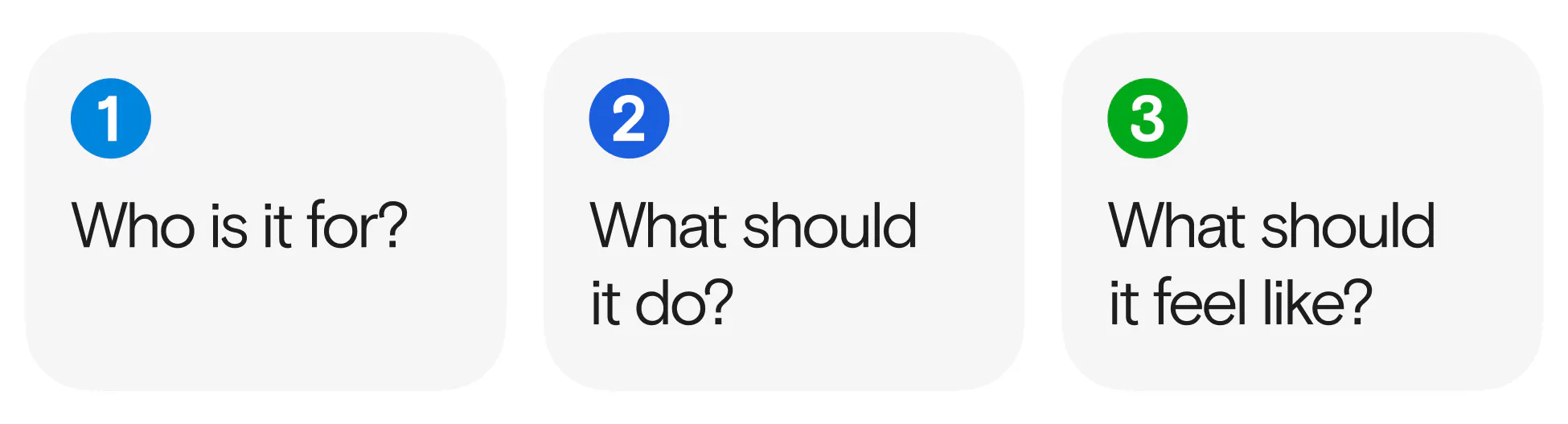
So before vibe coding, consider these three questions:
Who is this for? What should it do? What should it feel like?
The framework helped teams focus on the user, the problem, and the experience before building. Participants then worked in groups to build and refine their own prototypes. Every table began with the same AI tool and starting prompt. Yet no two groups produced the same result.
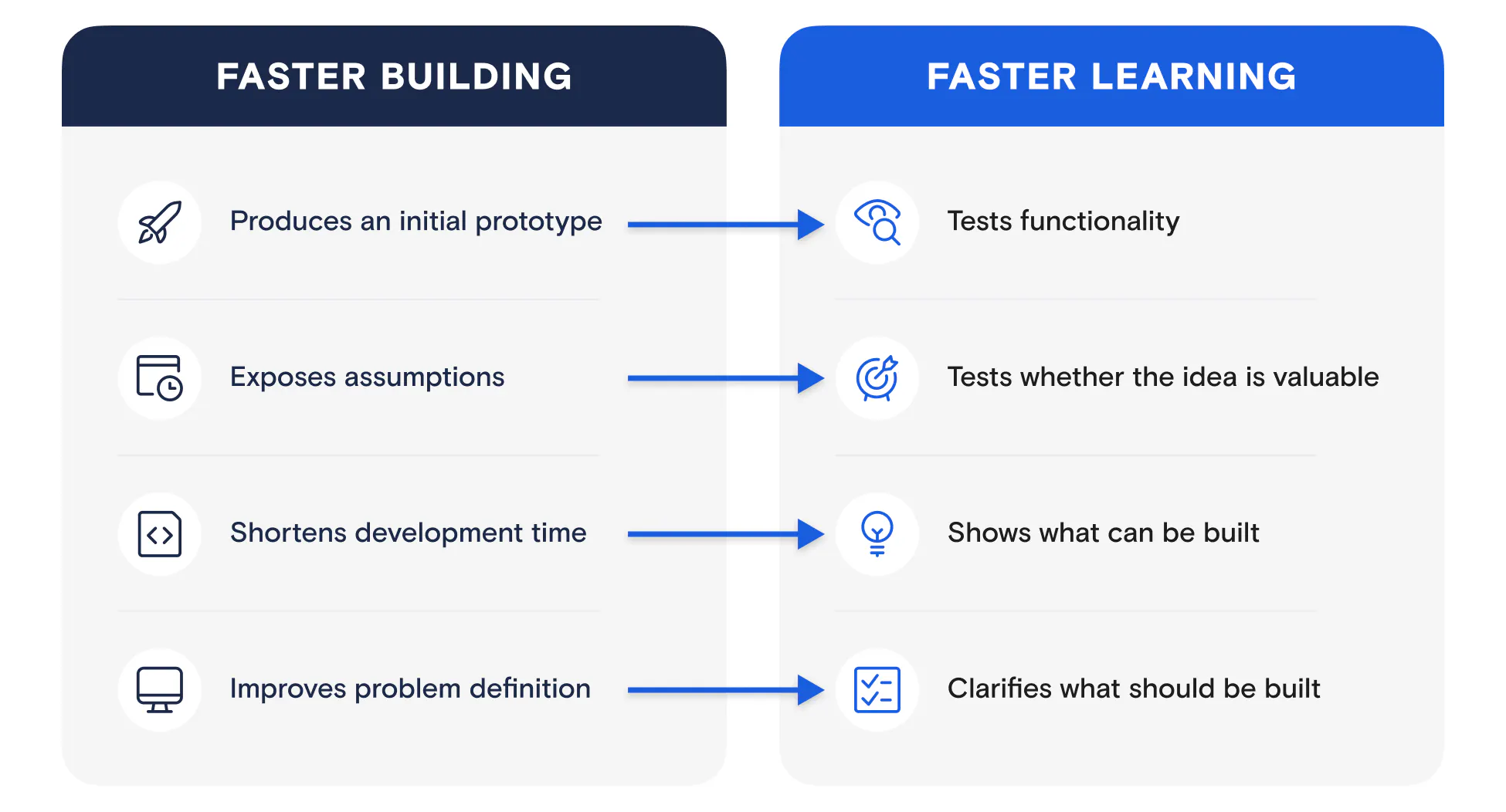
Some teams changed the categories. Others pushed for calendar integration, new workflows, or an entirely different use case. A few scrapped the original idea and started over. The AI built the prototypes, while the people decided whether they were any good.
That is AI capability in practice: knowing how to define the problem, test the output, and decide what is worth building next.
Building AI confidence through practice
IMPACT’s AI panel and workshop showed why AI capability matters and how organizations can begin building it.
Employees and leaders alike are unlikely to build confidence through a login, policy document, or one-time demonstration alone. They need opportunities to experiment, ask questions, make mistakes and apply AI to real work alongside others.
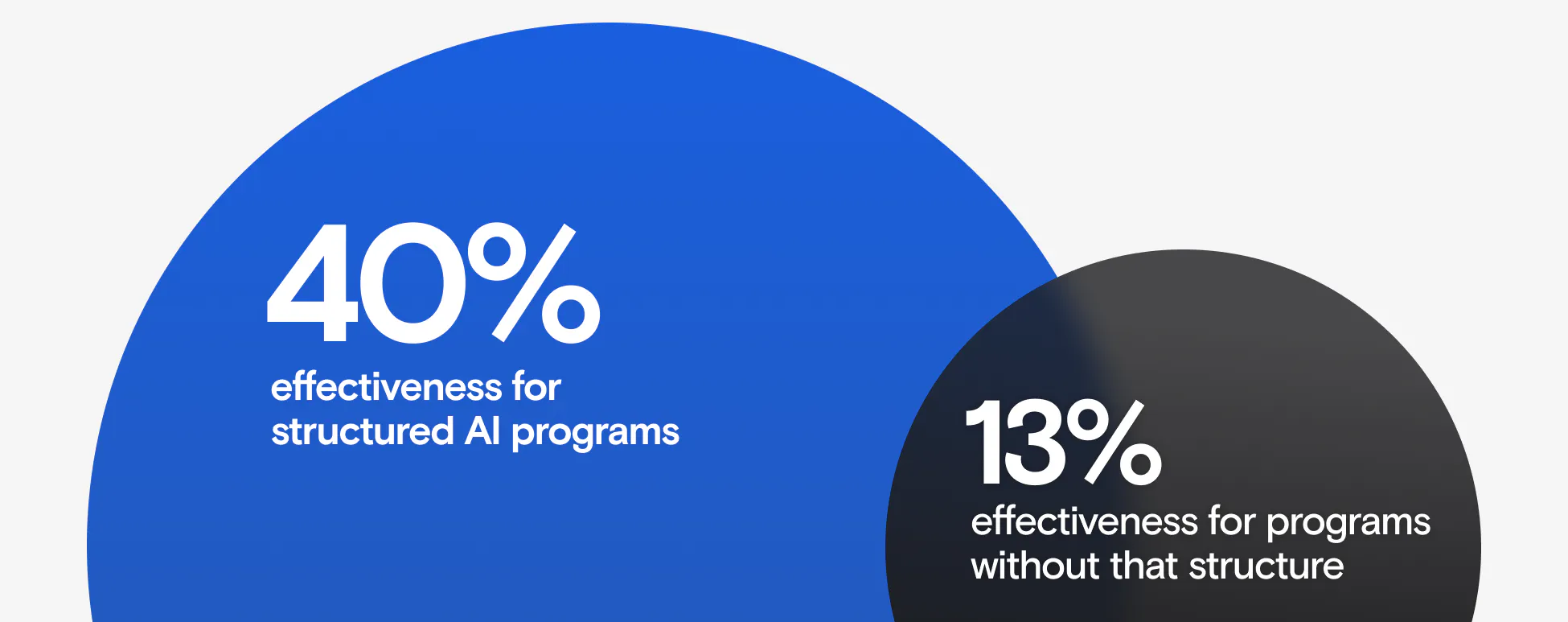
Data backs this up. InStride’s AI Readiness Illusion report found that facilitated AI programs have 40% effectiveness, compared with 13% for programs without that structure.
AI technology will keep evolving. Leaders can help their people evolve with it by making hands-on experimentation part of how work and learning happen.
CTA: Explore how InStride helps organizations build AI capability through hands-on practice.
A few questions we hear from workforce leaders
What is AI capability?
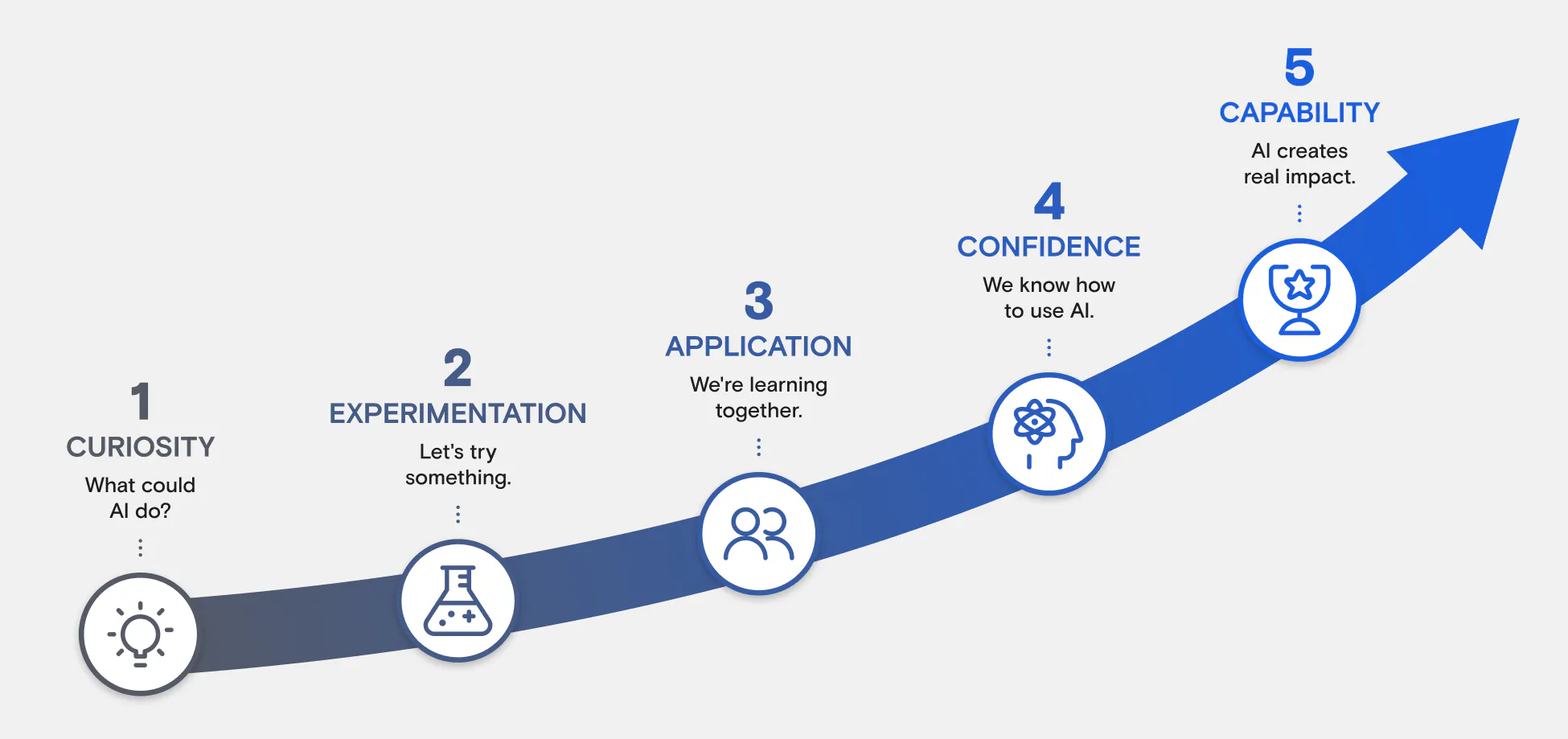
AI capability is the ability to use AI tools with confidence and judgment in real work, not just awareness that the tools exist. It develops in stages: employees first gain access, then build familiarity through use, and eventually reach the point where they can apply AI to solve real problems without hesitation or guesswork.
What is vibe coding?
Vibe coding is the practice of using plain, everyday language to ask an AI tool to build a working prototype, without writing traditional code. At the executive level, its value isn't the code it produces. It's the speed at which leaders can test an idea, see whether it holds up, and decide if it's worth real investment, before committing engineering time to it.
Why does experimentation matter when adopting AI?
Confidence with AI comes from hands-on practice, not from reading about it or watching a demo. Experimentation gives employees room to test ideas, make mistakes, and refine their thinking in a low-stakes setting, which is what actually builds the judgment needed to use AI well in day-to-day work.
How can organizations help employees build AI capability?
Organizations that do this well combine three things: safe spaces for employees to experiment without fear of getting it wrong, visible support from leadership so people know experimentation is encouraged, and applied learning tied to real workflows rather than abstract training. Capability grows fastest when all three are present at once.
Why is problem definition more important than prompt writing?
Nisha Smales' framework centers on three questions: who a tool is for, what it should do, and how it should feel. Answering those clearly before writing a single prompt produced stronger results in the workshop than refining the prompt itself. A clearly defined problem gives both people and AI a much better chance of arriving at something useful.